
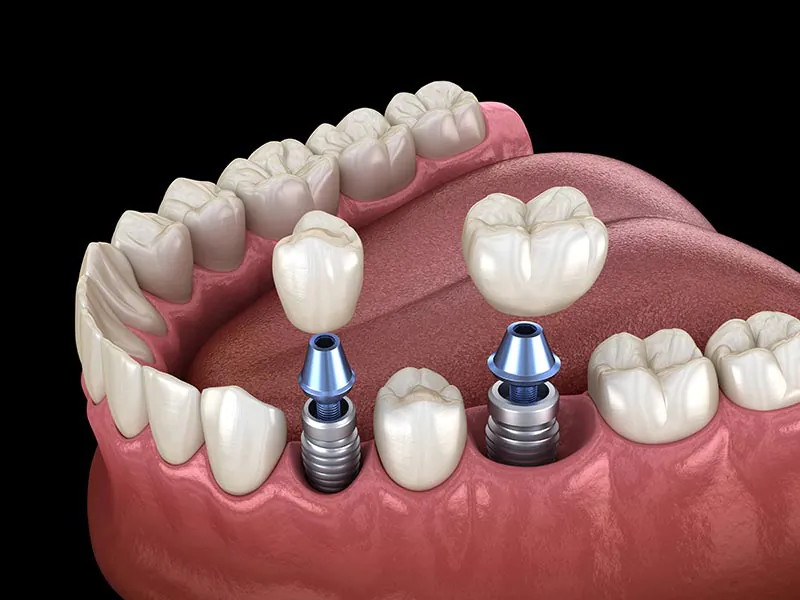
Losing a tooth affects chewing function, speech clarity, and long-term oral health. Dental implants are considered the premier solution for tooth replacement, offering structural stability that mirrors natural anatomy by replacing both the tooth root and the visible crown.
Because implant placement involves a precise surgical procedure, understanding the post-operative journey helps ensure a smooth, comfortable healing process. At the practice of Alex Martin, DDS, thorough post-surgical guidance is a priority for every patient.
Here is a clear breakdown of the dental implant recovery timeline and practical steps to foster efficient healing:
The Phases of Implant Healing
Replacing a missing tooth with an implant occurs across distinct structural stages:
- Implant Post Placement: A biocompatible titanium fixture is surgically seated into the jawbone to serve as an artificial root.
- Osseointegration: Over several months, living jawbone fuses directly to the titanium surface.
- Abutment & Crown Placement: Once integrated, a connector piece (abutment) and custom porcelain crown are attached to restore full function.
Recovery is divided into short-term tissue healing (the first 1 to 2 weeks) and long-term bone integration (3 to 6 months).
The Immediate Recovery Timeline
Days 1 to 3: Initial Post-Operative Period
The first 72 hours focus on clot formation and soft tissue stabilization. Local anesthesia ensures comfort during surgery; mild soreness is typical as it wears off.
- Hemostasis: Minor oozing at the surgical site is normal for the first 24 hours. Firm, gentle pressure using a damp gauze pad helps stabilize the area.
- Swelling Control: Mild facial puffiness generally peaks around day two or three. Applying an ice pack to the external cheek in 15-minute intervals reduces localized swelling.
- Symptom Management: Discomfort is usually mild and well-managed using prescribed or recommended over-the-counter pain medications.
Days 4 to 14: Soft Tissue Closure
By the end of the first week, acute swelling recedes, and surface gum tissue begins closing over the site.
- Suture Care: If non-resorbable sutures were placed, they are typically removed after 7 to 10 days during a brief checkup.
- Resuming Routine Activities: Most patients return to work within 1 to 3 days, avoiding strenuous physical exertion during the initial week.
Months 3 to 6: Bone Fusion (Osseointegration)
Although surface gums heal within two weeks, underlying bone remodeling takes several months. During osseointegration, bone cells grow directly into the microscopic features of the titanium post, establishing a permanent structural foundation capable of supporting heavy biting forces.
Practical Steps for a Smooth Implant Recovery
Adhering to proper post-operative protocols protects the surgical site, minimizes discomfort, and prevents delays in healing. Essential care tips include:
- Prioritize Rest: Keep your head elevated with extra pillows during sleep for the first 48 hours to limit swelling.
- Select Soft Foods: Stick to non-irritating, soft options such as lukewarm soups, scrambled eggs, yogurt, and smoothies for the first few days.
- Hydrate Adequately: Drink plenty of water throughout the recovery period to support tissue healing.
- Maintain Careful Oral Hygiene: Begin gentle warm salt water rinses (1/2 tsp salt in warm water) 24 hours after surgery. Brush remaining teeth carefully, avoiding direct scrubbing over the surgical site.
Habits to Avoid:
- Do Not Use Straws: Suction created by drinking through a straw can dislodge crucial blood clots, delaying soft tissue healing.
- Avoid Tobacco & Vaping: Nicotine restricts microvascular blood flow to healing gum tissues and significantly increases implant failure risks.
- Avoid Strenuous Exercise: Vigorous physical activity elevates blood pressure, which can trigger renewed bleeding at the surgical site.
- Do Not Disturb the Site: Avoid touching the area with your fingers or tongue during early healing.
When to Contact Your Dentist
Complications following implant placement are uncommon, but prompt attention is important if warning signs develop. Contact Dr. Martin if you notice:
- Persistent or Increasing Pain: Discomfort that worsens after day three rather than improving.
- Continuous Heavy Bleeding: Active bleeding that does not diminish with firm gauze pressure.
- Signs of Infection: Persistent fever, unpleasant taste, or worsening swelling after the third day.
- Prolonged Numbness: Extended tingling or lack of sensation in your lip, tongue, or chin well after anesthesia should have worn off.
The Long-Term Value of Implants
While implant recovery requires time and patience, the result is a permanent, stable, and natural-feeling tooth replacement that preserves jawbone structure and adjacent teeth.
Interested in exploring permanent tooth replacement with dental implants? Contact the office of Alex Martin, DDS, today to schedule your dental implant consultation!
